Treatments
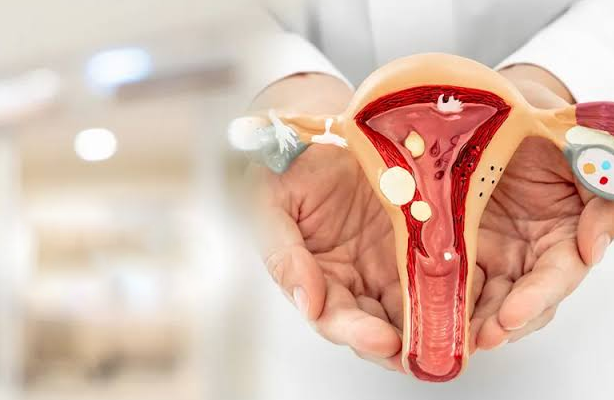
Fibroid Treatment
Uterine fibroids are non-cancerous growths that develop in or around the uterus. They can vary in size and number and may cause heavy menstrual bleeding, pelvic pain, pressure, or difficulty with conception. Fibroid treatment is selected according to the size, location, symptoms, age, fertility plans, and overall health of the patient.
Conditions
Fibroids can develop in different parts of the uterus and may be classified according to their location.
-
Intramural Fibroids
-
Submucosal Fibroids
-
Subserosal Fibroids
-
Pedunculated Fibroids
-
Multiple Uterine Fibroids
Symptoms
Some women with fibroids may have no symptoms, while others may experience symptoms depending on the size and location of the fibroids.
-
Heavy or prolonged menstrual bleeding
-
Painful menstrual periods
-
Pelvic pain or pressure
-
Abdominal fullness or bloating
-
Frequent urination
-
Difficulty with bowel movements
-
Difficulty conceiving in some cases
Causes
The exact cause of uterine fibroids is not fully understood. Their development may be influenced by hormonal, genetic, and other biological factors.
-
Hormonal factors involving estrogen and progesterone
-
Genetic or family history of fibroids
-
Reproductive and hormonal changes
-
Age and reproductive factors
-
Certain lifestyle and metabolic factors may contribute to risk
Treatment
Fibroid treatment depends on the severity of symptoms, size and location of the fibroids, age, medical history, and whether the patient wishes to preserve fertility. Some fibroids may only require regular monitoring if they are not causing significant symptoms.
When treatment is required, medical or surgical options may be considered based on individual needs.
-
Medication for managing heavy bleeding and other symptoms
-
Hysteroscopic Fibroid Removal for selected submucosal fibroids
-
Laparoscopic Myomectomy
-
Open Myomectomy when medically appropriate
-
Hysterectomy for selected patients who have completed their family
Benefits
-
Helps control heavy menstrual bleeding
-
Can reduce pelvic pain and pressure
-
May improve daily comfort and quality of life
-
Fertility-preserving options may be available for suitable patients
-
Treatment can be tailored according to fibroid size and location
Prevention
There is no guaranteed way to prevent uterine fibroids. However, maintaining a healthy lifestyle and attending regular gynaecological check-ups can support early identification and management.
-
Maintain a healthy body weight
-
Follow a balanced and nutritious diet
-
Stay physically active
-
Attend regular gynaecological examinations
-
Seek medical advice for unusually heavy or painful periods
Why Fibroid Treatment?
-
Helps manage symptoms such as heavy bleeding, pelvic pain, and pressure.
-
May prevent complications associated with large or symptomatic fibroids.
-
Provides fertility-preserving treatment options for selected patients.
-
Allows treatment to be customized according to the patient's symptoms, fibroid characteristics, and reproductive goals.