Treatments
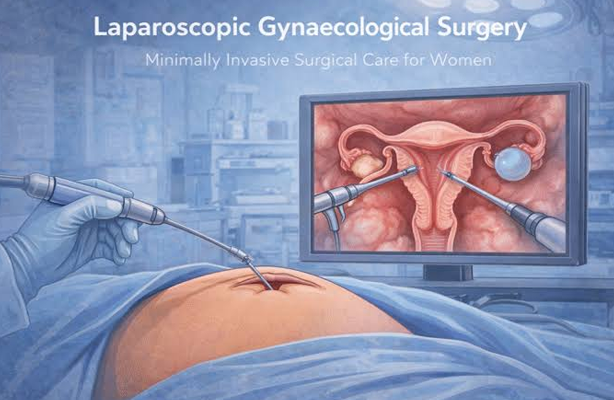
Laparoscopic Procedures
Laparoscopic procedures are minimally invasive surgical techniques performed through small incisions in the abdomen using a thin camera and specialized instruments. These procedures are commonly used to diagnose and treat various gynaecological conditions while minimizing tissue damage and supporting faster recovery.
Conditions
Laparoscopic surgery may be recommended for the diagnosis and treatment of several gynaecological conditions.
-
Endometriosis
-
Ovarian Cysts
-
Uterine Fibroids
-
Ectopic Pregnancy
-
Pelvic Adhesions
-
Infertility-related Conditions
Symptoms
Symptoms depend on the underlying condition for which laparoscopic evaluation or treatment is required.
-
Pelvic or lower abdominal pain
-
Painful or heavy menstrual periods
-
Pain during sexual intercourse
-
Difficulty conceiving
-
Abnormal vaginal bleeding
-
Abdominal discomfort or bloating
Causes
Various gynaecological conditions may develop due to hormonal, structural, inflammatory, genetic, or other underlying factors.
-
Hormonal changes
-
Endometrial tissue growing outside the uterus
-
Abnormal growth of uterine muscle tissue
-
Pelvic infections or inflammation
-
Previous pelvic or abdominal surgery
-
Structural abnormalities of the reproductive organs
Treatment
Laparoscopic treatment is selected based on the patient's diagnosis, symptoms, medical history, and overall health. The procedure is performed using a small camera and specialized instruments inserted through small abdominal incisions.
Depending on the condition, laparoscopic procedures may be used to remove cysts, treat endometriosis, manage ectopic pregnancy, remove fibroids, release adhesions, or assist in fertility-related procedures.
-
Laparoscopic Cyst Removal
-
Laparoscopic Treatment of Endometriosis
-
Laparoscopic Fibroid Surgery
-
Laparoscopic Management of Ectopic Pregnancy
-
Adhesiolysis
Benefits
-
Small surgical incisions
-
Less tissue trauma compared with many open procedures
-
Reduced postoperative discomfort in many patients
-
Shorter hospital stay in many cases
-
Faster return to normal activities for suitable patients
-
Minimal visible scarring
Prevention
Not all conditions requiring laparoscopic surgery can be prevented. However, maintaining good reproductive and overall health may help reduce certain risks and support early diagnosis.
-
Maintain a healthy lifestyle and body weight
-
Attend regular gynaecological check-ups
-
Seek medical advice for persistent pelvic pain
-
Practice safe sexual health and hygiene
-
Seek timely treatment for pelvic infections
-
Discuss abnormal menstrual symptoms with a gynaecologist
Why Laparoscopic Surgery?
-
Provides a minimally invasive approach for selected gynaecological procedures.
-
Allows the surgeon to view pelvic organs using a high-definition camera.
-
May reduce postoperative discomfort and recovery time in suitable patients.
-
Can be used for both diagnosis and treatment of several pelvic conditions.