Treatments
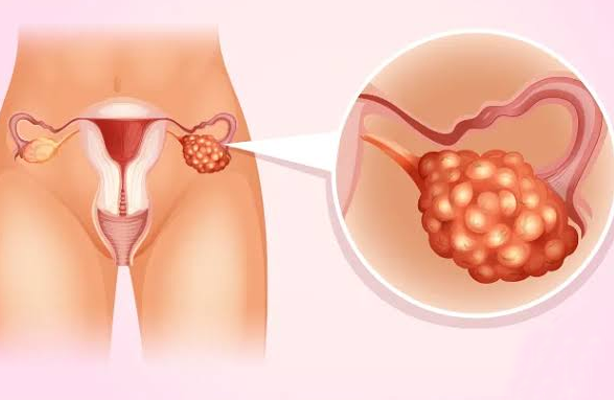
Menstrual Problems & PCOD/PCOS Care
Menstrual problems and PCOD/PCOS are common gynaecological concerns that can affect periods, hormones, fertility, metabolism, and overall well-being. Early evaluation and personalized care can help identify the underlying cause of irregular or painful periods and manage symptoms associated with PCOD/PCOS through lifestyle changes, medicines, and other treatments when required.
Conditions
Menstrual irregularities can occur due to hormonal changes, reproductive conditions, or underlying medical problems. PCOD/PCOS may also be associated with hormonal and metabolic changes.
-
Irregular Menstrual Cycles
-
Painful Periods (Dysmenorrhea)
-
Heavy Menstrual Bleeding
-
Absent or Delayed Periods
-
Polycystic Ovary Syndrome (PCOS)
-
Polycystic Ovarian Morphology / PCOD
-
Hormonal Imbalance
Symptoms
Symptoms can vary from person to person and may depend on the underlying cause of menstrual irregularities or PCOD/PCOS.
-
Irregular, delayed, or missed periods
-
Heavy or prolonged menstrual bleeding
-
Severe menstrual cramps or pelvic pain
-
Excess facial or body hair
-
Acne or oily skin
-
Unexplained weight gain or difficulty losing weight
-
Difficulty conceiving
Causes
Menstrual problems may have several possible causes. PCOD/PCOS is commonly associated with hormonal and metabolic changes that can affect ovulation and menstrual cycles.
-
Hormonal imbalance
-
Polycystic Ovary Syndrome (PCOS)
-
Thyroid disorders
-
Changes in body weight
-
Stress and lifestyle factors
-
Endometriosis or uterine conditions
-
Excessive exercise or inadequate nutrition
Treatment
Treatment is personalized according to the patient's symptoms, age, menstrual pattern, hormonal profile, medical history, and reproductive goals. PCOD/PCOS management generally focuses on controlling symptoms, improving metabolic health, regulating periods, and supporting fertility when required.
Depending on the individual's needs, treatment may include lifestyle modifications, medicines, hormonal therapy, or fertility treatment.
-
Lifestyle and dietary modifications
-
Weight management and regular physical activity
-
Medicines to regulate menstrual cycles when appropriate
-
Treatment for acne or excess hair growth when required
-
Management of insulin resistance or associated metabolic concerns
-
Fertility management for patients planning pregnancy
Benefits
-
Helps regulate irregular menstrual cycles
-
May reduce excessive menstrual bleeding and period-related discomfort
-
Supports healthy weight and metabolic management
-
Helps manage symptoms such as acne and excess hair growth
-
May support ovulation and fertility when pregnancy is desired
-
Supports long-term reproductive and overall health
Prevention
PCOD/PCOS and some menstrual conditions cannot always be completely prevented. However, healthy lifestyle habits and regular medical care can help manage symptoms and reduce associated health risks.
-
Maintain a healthy body weight
-
Follow a balanced and nutritious diet
-
Exercise regularly
-
Manage stress and maintain adequate sleep
-
Track menstrual cycles and report significant changes
-
Attend regular gynaecological check-ups
Why PCOD/PCOS & Menstrual Care?
-
Helps identify the underlying cause of irregular or abnormal periods.
-
Provides personalized management based on symptoms and individual health needs.
-
Supports menstrual regularity, hormonal balance, and metabolic health.
-
Can help address fertility concerns in patients planning pregnancy.