Treatments
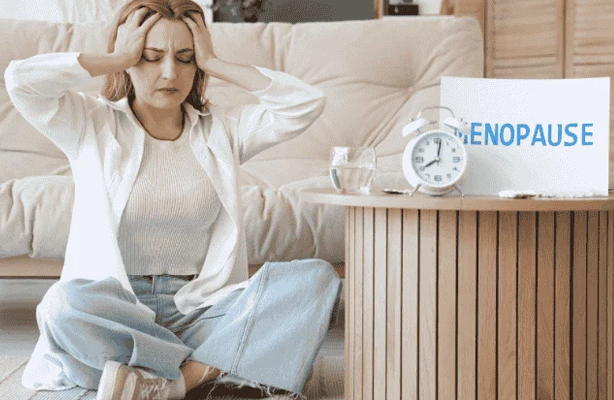
Menopause
Menopause is a natural stage in a woman's life when menstrual periods permanently stop due to a decline in ovarian hormone production. It usually occurs between the ages of 45 and 55 and is confirmed after 12 consecutive months without a menstrual period. Menopause care focuses on managing symptoms, protecting long-term health, and supporting physical and emotional well-being.
Conditions
Menopause can be associated with several physical, hormonal, and emotional changes. Some women may experience mild symptoms, while others may require medical support.
-
Perimenopause
-
Natural Menopause
-
Premature Menopause
-
Postmenopausal Symptoms
-
Menopause-Related Bone Health Concerns
Symptoms
Menopause symptoms vary from woman to woman and may begin during perimenopause before periods stop completely.
-
Irregular menstrual periods
-
Hot flashes and night sweats
-
Mood changes or irritability
-
Sleep difficulties
-
Vaginal dryness or discomfort
-
Reduced sexual desire
-
Fatigue and difficulty concentrating
Causes
Menopause is primarily caused by the natural decline of ovarian function and reproductive hormones. It can also occur earlier due to certain medical or surgical factors.
-
Natural age-related decline in ovarian function
-
Declining estrogen and progesterone levels
-
Surgical removal of the ovaries
-
Certain cancer treatments such as chemotherapy or radiation
-
Primary ovarian insufficiency in some women
Treatment
Menopause does not always require treatment. However, medical care may be recommended when symptoms are bothersome or when there are concerns about long-term health. Treatment is individualized according to symptoms, age, medical history, and risk factors.
Management may include lifestyle modifications, non-hormonal medicines, local treatments, or menopausal hormone therapy when appropriate and medically suitable.
-
Lifestyle and dietary modifications
-
Regular physical activity and strength exercises
-
Non-hormonal treatment for selected symptoms
-
Vaginal moisturizers and local treatments for vaginal symptoms
-
Menopausal Hormone Therapy (MHT), when appropriate
-
Bone health and cardiovascular risk assessment
Benefits
-
Helps manage troublesome menopause symptoms
-
May improve sleep, comfort, and daily functioning
-
Helps manage vaginal and urinary symptoms
-
Supports bone health through appropriate lifestyle and medical care
-
Provides personalized guidance for long-term women's health
Prevention
Natural menopause cannot be prevented. However, healthy lifestyle habits and regular medical check-ups can help manage symptoms and reduce certain long-term health risks associated with ageing and hormonal changes.
-
Maintain a healthy and balanced diet
-
Exercise regularly, including weight-bearing and strength exercises
-
Maintain a healthy body weight
-
Avoid smoking and limit alcohol consumption
-
Monitor blood pressure, cholesterol, and other health risk factors
-
Attend regular gynaecological and health check-ups
Why Menopause Care?
-
Helps women understand and manage physical and hormonal changes.
-
Provides personalized treatment for bothersome symptoms.
-
Supports bone, cardiovascular, sexual, and overall health after menopause.
-
Helps women make informed decisions about lifestyle and treatment options.