Treatments
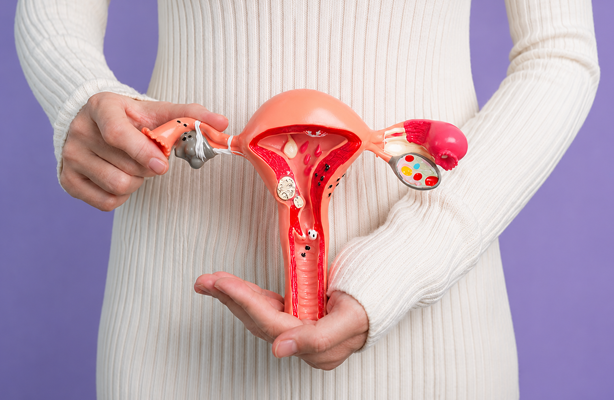
Infertility Management
Infertility management involves a comprehensive evaluation and personalized treatment approach for individuals or couples who are experiencing difficulty conceiving. The process includes identifying possible causes, assessing both partners when appropriate, and selecting suitable medical, surgical, or assisted reproductive treatments based on individual needs.
Conditions
Infertility may be associated with several conditions affecting ovulation, reproductive organs, hormones, sperm health, or other factors.
-
Ovulation Disorders
-
Polycystic Ovary Syndrome (PCOS)
-
Endometriosis
-
Blocked or Damaged Fallopian Tubes
-
Uterine Fibroids or Structural Abnormalities
-
Male Factor Infertility
-
Unexplained Infertility
Symptoms
Infertility itself may not cause specific symptoms. The main indication is difficulty achieving pregnancy despite regular unprotected intercourse.
-
Difficulty conceiving after regular unprotected intercourse
-
Irregular or absent menstrual periods
-
Very painful menstrual periods
-
Symptoms associated with hormonal imbalance
-
History of pelvic infection or reproductive surgery
-
Sexual or reproductive health concerns in either partner
Causes
Infertility can result from female factors, male factors, a combination of both, or sometimes no identifiable cause. A detailed evaluation helps determine the underlying factors.
-
Ovulation problems and hormonal imbalance
-
Polycystic Ovary Syndrome (PCOS)
-
Endometriosis
-
Fallopian tube blockage or damage
-
Uterine or cervical abnormalities
-
Reduced ovarian reserve or age-related fertility decline
-
Low sperm count, poor sperm movement, or abnormal sperm morphology
Treatment
Infertility treatment is personalized according to the patient's age, medical history, fertility test results, duration of infertility, and the underlying cause. Both partners may be evaluated to develop an appropriate treatment plan.
Depending on the diagnosis, treatment may include lifestyle modifications, medicines to support ovulation, surgical procedures, or assisted reproductive techniques.
-
Ovulation Induction
-
Fertility Medicines
-
Laparoscopic Treatment of Endometriosis or Pelvic Conditions
-
Hysteroscopic Treatment of Selected Uterine Conditions
-
Intrauterine Insemination (IUI)
-
In Vitro Fertilisation (IVF), when indicated
Benefits
-
Identifies possible factors affecting fertility
-
Provides a personalized treatment approach
-
Helps address treatable reproductive conditions
-
Offers different treatment options based on individual needs
-
May improve the chances of achieving pregnancy when appropriate treatment is successful
Prevention
Not all causes of infertility can be prevented, but maintaining reproductive and overall health may support fertility and help identify problems early.
-
Maintain a healthy body weight
-
Follow a balanced and nutritious diet
-
Avoid smoking, tobacco, and excessive alcohol consumption
-
Maintain regular physical activity
-
Seek timely treatment for reproductive tract infections
-
Consult a fertility specialist when pregnancy is taking longer than expected
Why Infertility Management?
-
Helps identify potential causes affecting conception.
-
Allows treatment to be tailored to the individual or couple.
-
Provides access to medical, surgical, and assisted reproductive treatment options when required.
-
Early evaluation can help avoid unnecessary delays in appropriate treatment.