Treatments
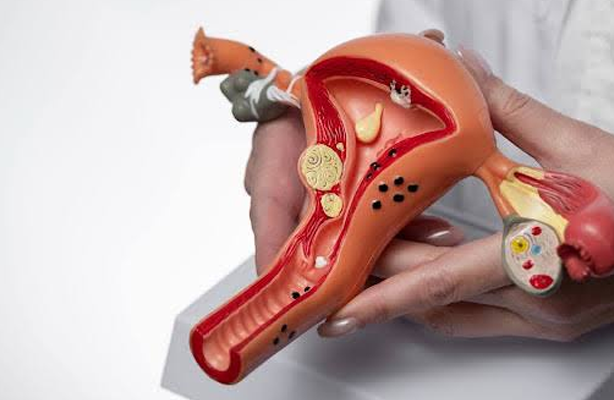
Vaginal Surgeries
Vaginal surgeries are minimally invasive procedures performed through the vaginal route to diagnose and treat various gynaecological conditions. These procedures may be recommended for conditions such as pelvic organ prolapse, vaginal wall disorders, and certain uterine conditions. The appropriate surgical approach depends on the patient's condition, medical history, and overall health.
Conditions
Vaginal surgeries may be considered for various gynaecological conditions, particularly those affecting the uterus, vagina, and pelvic floor.
-
Pelvic Organ Prolapse
-
Uterine Prolapse
-
Vaginal Wall Prolapse
-
Cystocele and Rectocele
-
Certain Uterine Conditions
Symptoms
Symptoms vary depending on the underlying condition and may affect daily activities and quality of life.
-
Feeling of pressure or heaviness in the pelvis
-
A bulge or mass felt in or around the vagina
-
Difficulty while urinating or passing stools
-
Pelvic discomfort or pain
-
Urinary leakage
-
Discomfort during sexual activity
If these symptoms persist or interfere with daily activities, a consultation with a qualified gynaecologist is recommended.
Causes
Conditions that may require vaginal surgery can develop due to weakening of the pelvic floor and other factors.
-
Weakening of pelvic floor muscles
-
Previous childbirth, particularly multiple vaginal deliveries
-
Age-related changes
-
Menopause and reduced estrogen levels
-
Chronic constipation or prolonged straining
-
Obesity or increased abdominal pressure
Treatment
Treatment is planned according to the underlying condition and its severity. Vaginal surgical procedures may be recommended when conservative treatment is not sufficient.
Depending on the condition, procedures may include vaginal repair surgeries, pelvic floor repair, or vaginal hysterectomy when medically indicated. A detailed evaluation helps determine the most appropriate surgical approach.
-
Vaginal Repair Surgery
-
Pelvic Floor Repair
-
Vaginal Hysterectomy, when indicated
-
Prolapse Repair Procedures
-
Cystocele and Rectocele Repair
Benefits
-
Minimally invasive surgical approach
-
Smaller or no abdominal incision
-
Reduced surgical trauma in suitable patients
-
Potentially shorter recovery period
-
Less postoperative discomfort in many cases
-
Effective treatment for selected gynaecological conditions
Prevention
While not all conditions requiring vaginal surgery can be prevented, maintaining good pelvic health may help reduce certain risk factors.
-
Maintain a healthy body weight
-
Perform regular pelvic floor exercises as advised
-
Prevent and manage chronic constipation
-
Avoid unnecessary heavy lifting
-
Manage chronic cough and conditions that increase abdominal pressure
-
Maintain regular gynaecological check-ups
Why Vaginal Surgery?
-
It can provide an effective surgical option for selected gynaecological conditions.
-
The vaginal route may avoid large abdominal incisions in suitable cases.
-
It may offer a shorter recovery period for appropriately selected patients.
-
A qualified gynaecologist can determine whether vaginal surgery is suitable based on individual needs.